Sun-soaked beaches, traditional flavours and fascinating traces of history – Greece is a destination full of stories and highlights waiting to be discovered. But beyond the postcards and popular sights, the country hides a wild and diverse side for hikers. From rugged mountains and deep gorges to lush valleys and remote island trails, every step uncovers breathtaking landscapes and unforgettable adventures. And in this article, we’ll take you through the most beautiful hiking regions and islands for walking in Greece, with all the essential tips you need for a unique experience. Let’s dive right in!
Best time for hiking in Greece
Feeling inspired to hit the trails already? Before you pack your boots, let’s take a quick look at the best time to explore Greece on foot. The most enjoyable months are spring (April–June) and autumn (September–October), when temperatures are mild, the landscapes are in full bloom, and the trails are far less crowded than in peak summer. On islands like Crete or Naxos, summers can be very hot, while the mainland’s mountainous regions remain pleasantly cool in spring. Planning your hikes during these seasons ensures comfortable conditions, vibrant scenery, and a truly memorable experience.
Ready to grab your backpack and conquer the hidden paths of Greece? Then let’s take a closer look at some of the best spots to enjoy hiking in Greece.

Hiking in Crete – Gorges and Mountains
Dramatic gorges, rugged mountains, and picturesque villages: Walking in Crete is an unforgettable experience. From deep canyons to coastal paths, the island offers hikers a mix of challenging treks and more relaxed routes for all skill levels. Along the way, you’ll encounter traditional villages, ancient ruins, and stunning natural landscapes.
Length / Duration: Varies by trail – from short hikes (2–4 hours) to multi-day treks like the Samaria Gorge (16 km, 6–8 hours)
Difficulty: Easy to challenging, depending on the trail
Route / Start-End Point: Multiple options; popular routes include Samaria Gorge (Omalos → Agia Roumeli) and Imbros Gorge
Highlights: Samaria Gorge, Imbros Gorge, mountain villages, coastal views, native flora & fauna
Tips: Start early in summer to avoid heat, bring plenty of water, wear sturdy shoes; some trails are one-way and require transport back
Interested in a longer stay on Crete? Check our Crete, Travel Guide for more inspiration!
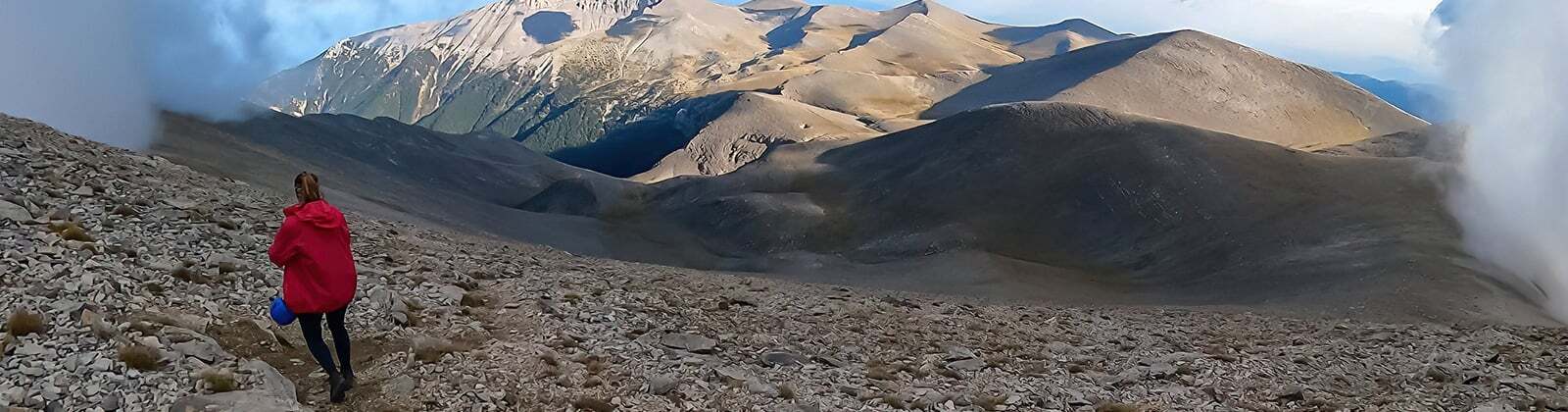
Hiking in Olympus & Thessaly – Legendary Mountain Trails
Home to Greece’s highest mountain, Mount Olympus, this region combines dramatic alpine landscapes with deep-rooted mythology. Well-marked trails lead through dense forests, along mountain ridges, and up to breathtaking viewpoints, making it one of the most iconic hiking areas in the country. Along the way, traditional villages, mountain refuges, and ancient sites offer cultural excursions and invite hikers to dive into the rich history that has shaped the region for centuries.
Length / Duration: From short day hikes (3–5 hours) to multi-day treks across the Olympus massif
Difficulty: Moderate to challenging, depending on route and elevation gain
Route / Start–End Point: Litochoro → various trailheads and routes around Mount Olympus
Highlights: Mount Olympus peaks, alpine flora and fauna, panoramic views, historic monasteries
Tips: Weather can change quickly at higher elevations – pack layers and start early; for longer routes, consider staying in mountain refuges
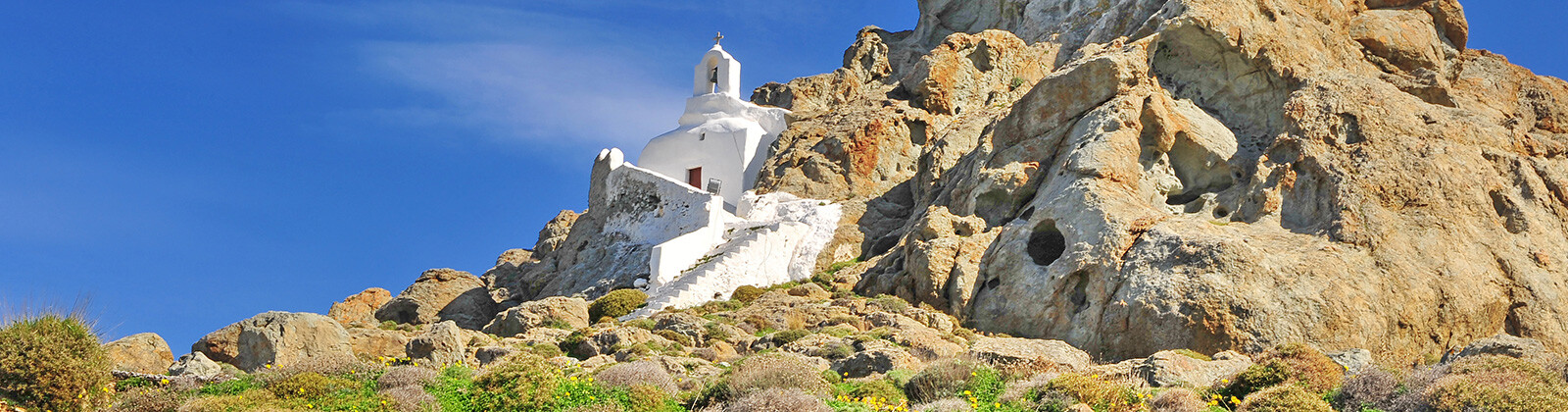
Hiking in Naxos – Island Trails and Mountain Villages
Naxos combines sandy beaches with scenic hiking trails that lead through mountains, ancient temples, and traditional villages. The island is perfect for hikers seeking quieter paths and authentic Greek culture.
Length / Duration: Several trails from 2–3 hours to full-day treks across the island
Difficulty: Easy to moderate, suitable for most hikers
Route / Start-End Point: Trails from villages like Apiranthos and Filoti to mountain summits or coastal viewpoints
Highlights: Mount Zas (highest peak), traditional villages, ancient ruins, olive groves
Tips: Wear comfortable shoes, bring water and sun protection, explore early morning or late afternoon to avoid heat
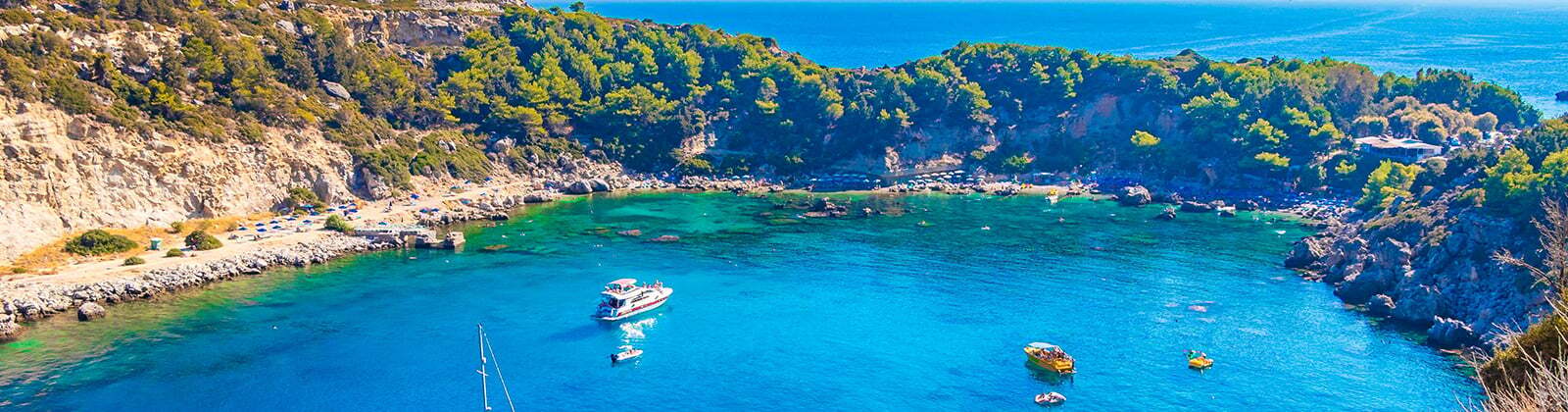
Hiking in Rhodes – Coastal Paths and Historic Trails
Rhodes offers a unique combination of coastal hikes, forested valleys, and historic landmarks. Its trails are ideal for day hikes, with plenty of opportunities to mix nature and history.
Length / Duration: Mostly short to medium trails, 2–6 hours
Difficulty: Easy to moderate
Route / Start-End Point: Popular trails around Lindos, Profitis Ilias, and the Valley of the Butterflies
Highlights: Coastal views, medieval castles, forested valleys, historic ruins
Tips: Sun protection is essential, especially in summer; pair hiking with local sightseeing for a full experience
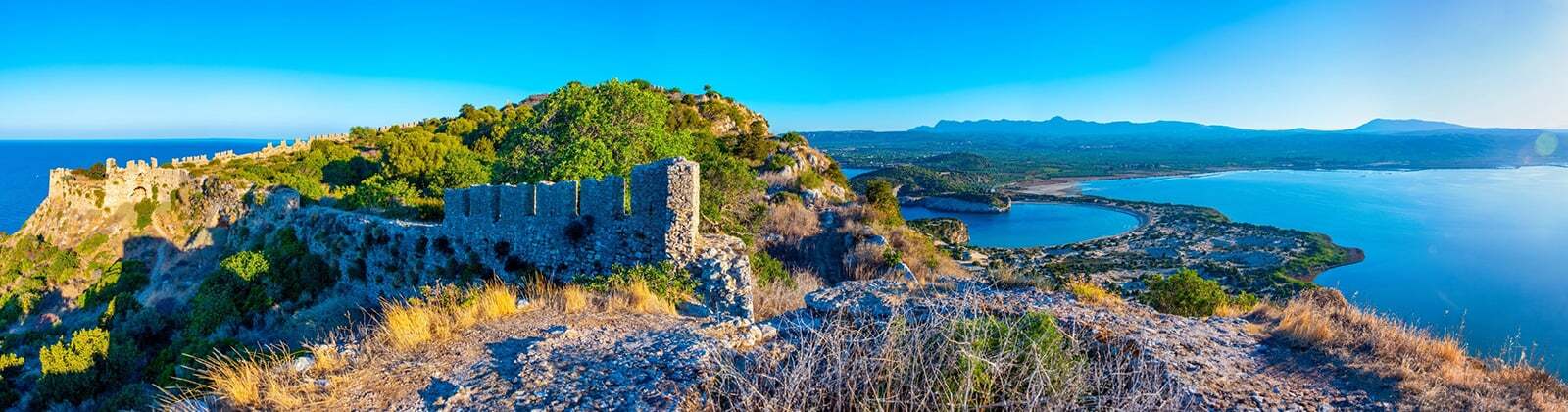
Hiking in the Peloponnese – Between Mountains and Ancient Sites
The Peloponnese is one of Greece’s most diverse hiking regions, where spectacular mountain landscapes meet ancient ruins and traditional villages and well-maintained trails lead through deep gorges, pine forests, and along historic paths. Walking the Peloponnese means combining nature with culture, as you will pass monasteries, stone bridges, and archaeological sites that make every hike feel like a journey through time.
Length / Duration: Varies by trail – from short day hikes to multi-day routes like the Menalon Trail (75 km, 5–7 days)
Difficulty: Easy to moderate, with some more challenging sections
Route / Start–End Point: Multiple routes across the Peloponnese; popular option: Menalon Trail (Stemnitsa → Lagkadia)
Highlights: Menalon Trail, Lousios Gorge, traditional mountain villages, ancient ruins
Tips: Spring and autumn are ideal; trails are well marked but can be rocky in places – sturdy footwear recommended
Hiking in Greece: Practical tips
- Start early: Especially in spring and summer, temperatures can rise quickly. Early morning hikes are not only cooler but also quieter, offering better light and a more relaxed experience on the trails.
- Bring enough water and snacks: Many hiking routes, particularly on the islands, have limited access to water sources. Make sure to bring sufficient water, along with small snacks to keep your energy levels up during longer hikes.
- Wear proper footwear: Greek trails are often rocky, uneven, and steep in places. Sturdy hiking shoes with good grip will make a big difference, especially on gorges, mountain paths, and coastal routes.
- Check the weather: In mountainous regions such as Olympus or the Peloponnese, weather conditions can change rapidly. Packing layers, a light rain jacket, and sun protection will help you stay comfortable throughout the hike.
- Plan your transport: Some of the most popular hikes, especially gorges, are one-way routes. Check ferry schedules, bus connections, or taxi options beforehand to ensure a smooth return.
- Respect nature and heritage: Stay on marked trails, avoid littering, and treat monasteries, villages, and archaeological sites with care. Respectful behavior helps preserve these landscapes for future hikers.
In love with nature? Then take a look at our article on ecotourism, what exactly it means and how you can travel more responsibly while exploring the world.